
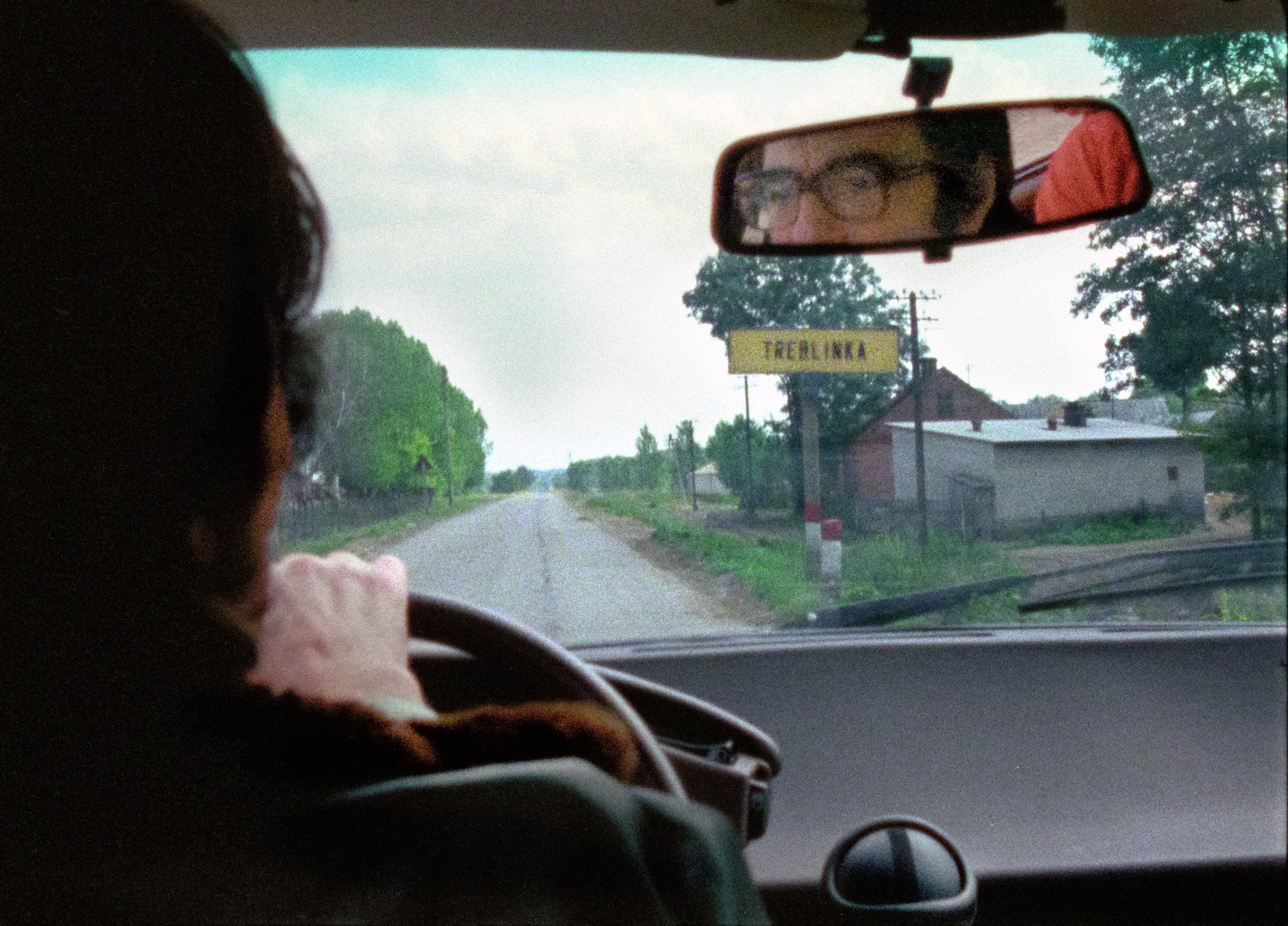
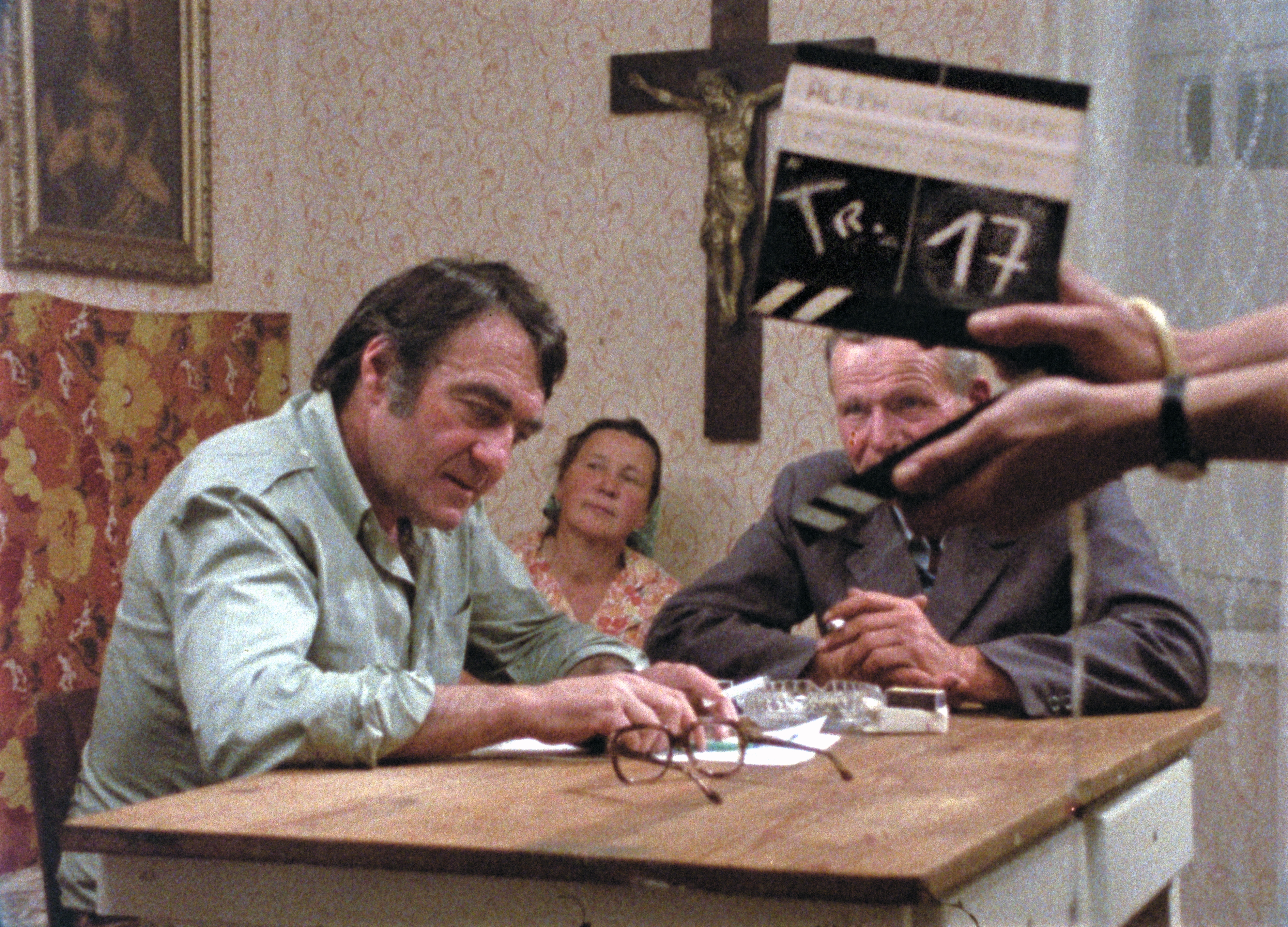
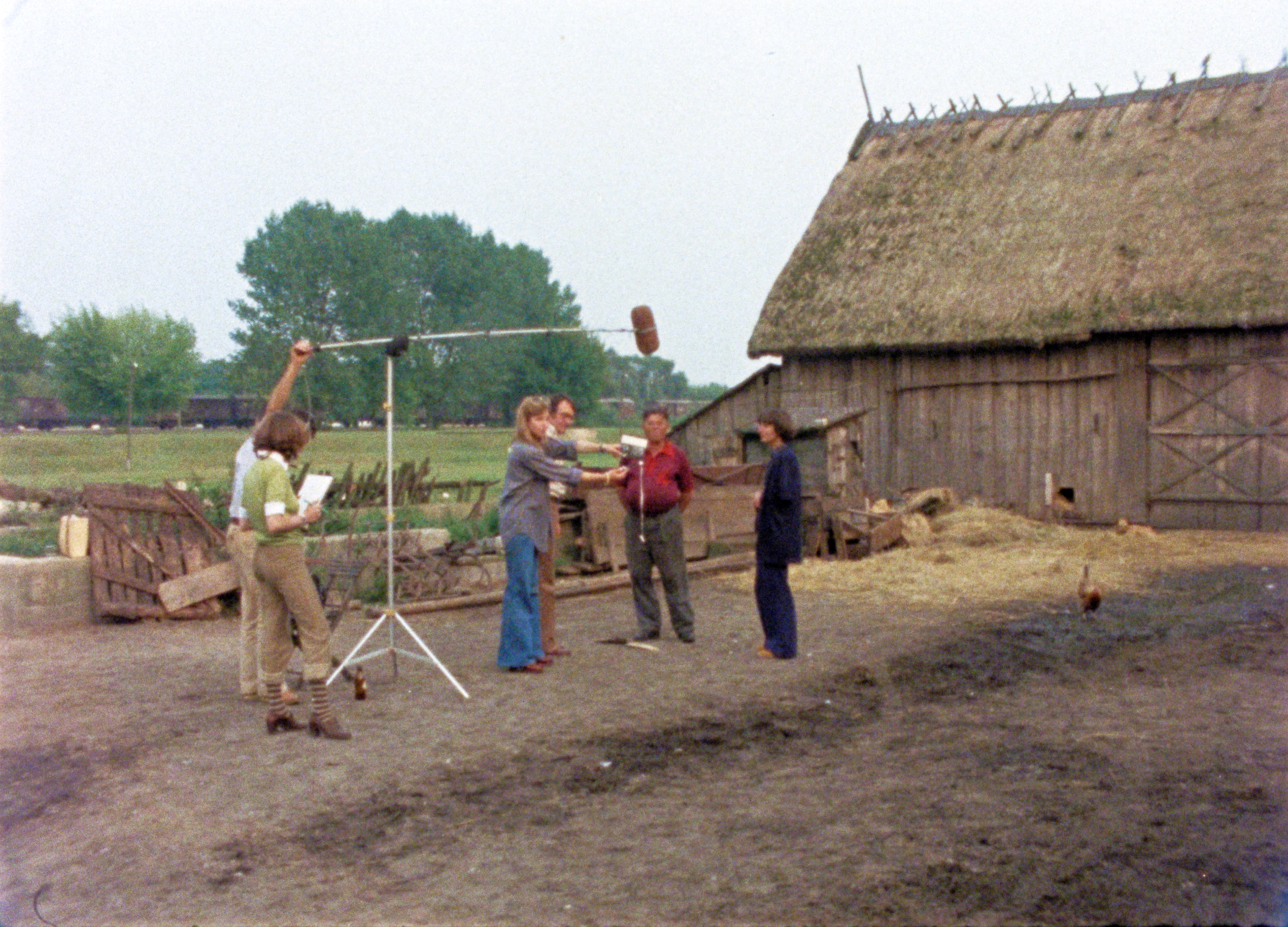
Claude Lanzmann, director of the seminal documentary Shoah, articulated his film’s subject as “Death itself. Death and its radicality.” The film is nine-and-a-half hours long, and yet there were over 220 hours of footage that did not make its final cut. All I Had Was Nothingness, by French filmmaker Guillaume Ribot, chronicles Lanzmann’s homeric, twelve-year effort to make Shoah, combining unused footage with excerpts from the filmmaker’s private journals. Lanzmann’s interviews with perpetrators of the Holocaust play out like heists: the filmmaker took on the alias of a history professor and recorded his subjects with hidden cameras, broadcasting the footage to a disguised van. The result is a fascinating documentary-about-a-documentary that interrogates the ethics of memorialization and filmmaking themselves. Like Shoah, Ribot’s All I Had Was Nothingness refuses to settle for easy answers. In one particularly revealing moment, Lanzmann responds to audiences who asked about the intentions of his film: “I didn’t know what the message of Shoah was. I still don’t.” —David Cohn